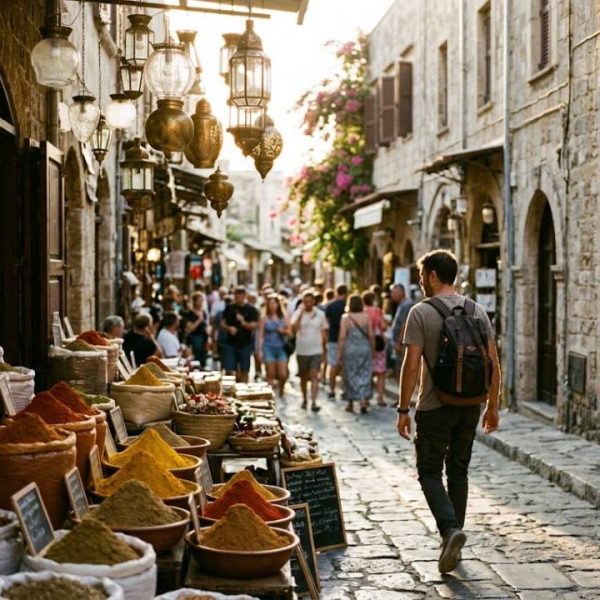
Turkey rewards travellers with ancient ruins, turquoise coast, busy bazaars and some of the friendliest hospitality in the region. A little preparation makes the trip smoother from the first booking to the last souvenir.
Language is rarely a barrier in big tourist hubs, but plans change when you head inland or book through local providers. Here is how to stay relaxed.
Start With Your Documents
Check entry rules well before you travel. Requirements depend on your passport and the length of stay, and official pages change from time to time.
The UK travel advice for Turkey is a good example of an up to date source that lists entry rules, safety notes and health guidance.
Keep digital and paper copies of your passport, bookings and insurance. One spare folder can save an afternoon of stress.
Paperwork That May Need Translation
Some trips involve more than a simple holiday. Students, remote workers and families who plan longer stays may be asked for supporting documents.
Articles about visa document translation show how offices handle certificates, bank letters and invitation notes, and what format they expect.
Start early, because official translations can take several days.
Booking Hotels and Tours
Major booking sites offer English pages, but small guesthouses and local tour operators may reply in Turkish. Short, polite messages work best.
Write one idea per sentence and include dates in a clear format, such as 12 June instead of 12/6. If a reply seems unclear, ask a simple follow up question.
Many local operators are glad to adjust a plan for you, and a friendly tone goes a long way.
When You Need Written Help
Travellers who rent a flat, sign a car hire contract or arrange a medical visit may want an exact translation of the paperwork. A reliable turkish translation agency can prepare clear versions of contracts, receipts and letters, so nothing is left to guesswork.
Always read the key terms before you sign: dates, deposits, cancellation rules and insurance coverage.
Learn a Few Phrases
Locals warmly appreciate visitors who try. Merhaba for hello, teşekkürler for thank you and lütfen for please already change the mood of a conversation.
Learn numbers up to ten for markets and taxis. Learn how to ask for the bill, the toilet and the way to the station.
Offline translation apps help for menus and signs, though they can stumble on idioms and local dishes.
Markets, Food and Bargaining
Bazaars are part of the experience. Prices are often flexible, and bargaining is a friendly game rather than an argument.
Start with a smile and offer a little less than the asking price. Walk away politely if the number does not suit you, and you may be called back with a better offer.
When trying street food, point and ask what is in the dish if you have allergies. Write the name of the ingredient on your phone ahead of time.
Planning a trip without language stress, as the article describes, means finding the places that have anticipated the question you were about to ask. Properties that answer those questions on their own site remove the reason a traveller goes looking elsewhere. That is the quiet mechanism behind hotel direct bookings, and it costs far less than the marketing spend most hotels deploy trying to win the same guest back from a platform.
Getting Around
Turkey has an extensive network of buses, trains, ferries and domestic flights. Long distance buses are comfortable and a favourite for budget travellers.
Station staff in smaller towns may speak little English. Keep your destination written in Turkish and show it at the ticket desk.
Take a photo of the timetable or ticket, so you can show it to someone if you need help.
Respect Local Customs
Dress modestly when visiting mosques, remove your shoes where asked and follow any signs about photography. Small gestures of respect make a good impression.
Accept tea when it is offered. It is a ritual of welcome, and refusing too quickly can feel awkward.
Emergency Basics
Save the local emergency number and your embassy contact in your phone. Learn the Turkish word for help, which is yardım, and keep a note of any medical conditions or allergies in Turkish.
Travel insurance should cover medical care. Keep the policy number and the provider's phone line where you can reach them quickly.
Planning a Budget That Works
Costs for a trip to Turkey vary by season and region, but many travellers find it good value. Fix a daily budget for food, transport and activities, and add a cushion for surprises.
Cash is useful in small towns and markets, while cards work in most hotels and larger restaurants. Tell your bank about your plans so your card is not blocked, and carry a small amount of local currency from the moment you arrive.
Keep receipts for larger purchases. If a seller offers a certificate for carpets, ceramics or jewellery, ask for a copy in a language you can read.
Finally, leave a little time in every itinerary for slow mornings and unplanned detours. Some of the best memories come from the moments nobody scheduled.
Final Thoughts
A trip to Turkey is easier than most travellers expect. With organised paperwork, a few phrases and a relaxed attitude, language stops being a worry and becomes part of the adventure.
Prepare the essentials, stay curious and enjoy every cup of tea along the way.