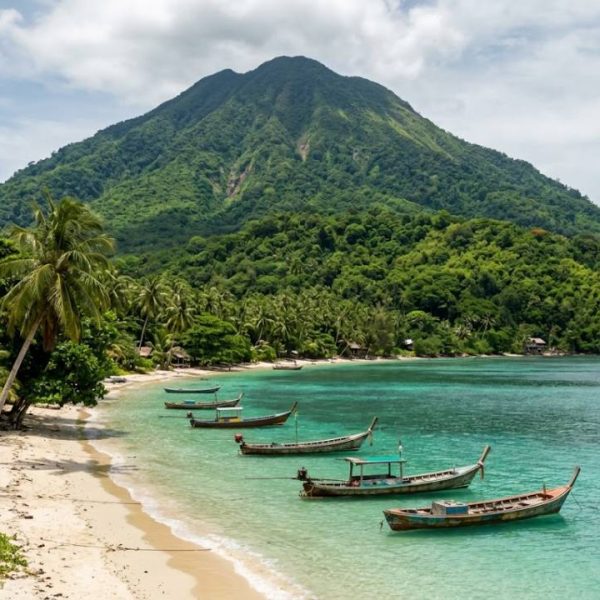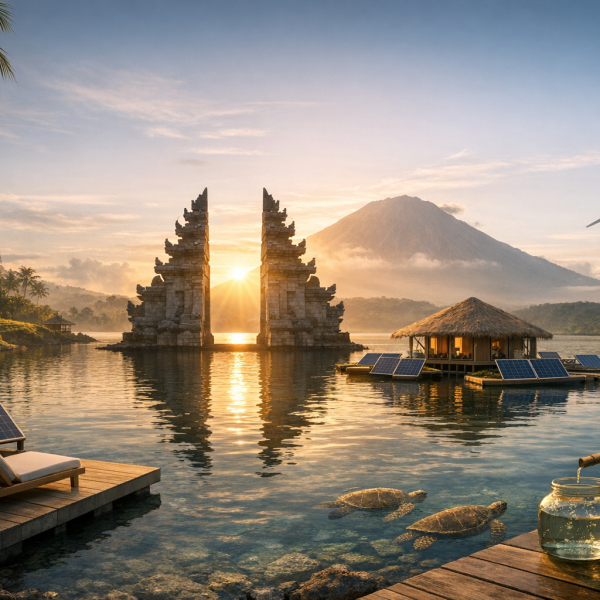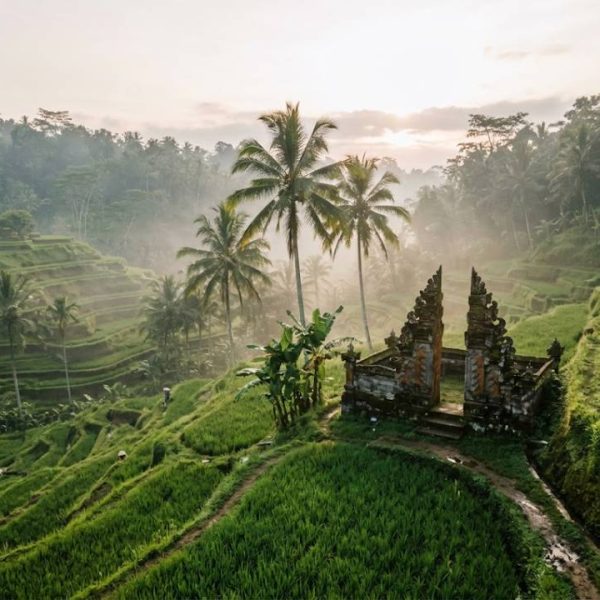
Indonesia is one of the most varied countries on Earth. Spread across thousands of islands between the Indian and Pacific oceans, it combines volcanoes, rainforests, coral reefs and ancient temples with a rich mix of cultures and traditions. Whether you plan a first trip to Bali or a longer adventure across the archipelago, this guide covers the highlights and a few practical tips.
An archipelago of many worlds
Indonesia is often described as having more than seventeen thousand islands, with hundreds of ethnic groups and local languages. Bahasa Indonesia is the national language and is widely used for travel, school and business, while regional languages thrive at home.
This variety means that two islands can feel like two different countries, with their own food, music and customs.
The best way to enjoy Indonesia is to choose a few regions and explore them slowly.
Bali, beyond the beaches
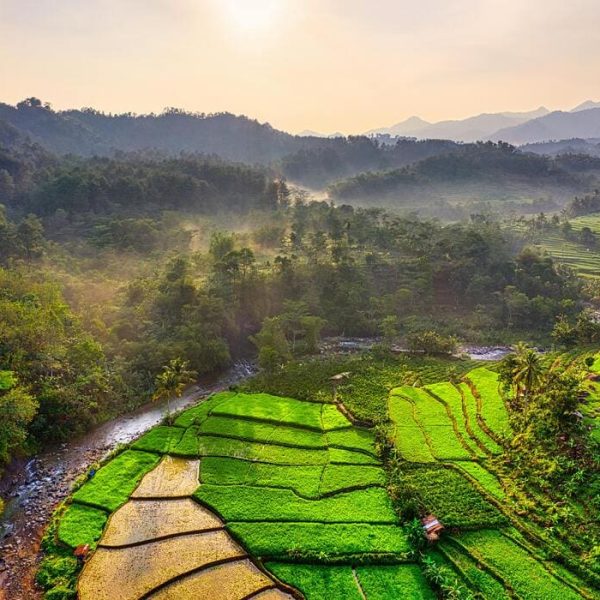
Bali is famous for surf beaches and sunset bars, but its heart is cultural. Temples, daily offerings and dance performances are part of normal life. Inland, the rice terraces around Ubud show a traditional irrigation system that has shaped the scenery for centuries.
Visit early in the morning to avoid crowds and heat, and dress modestly at temples, with a sarong and covered shoulders.
Java, history and volcanoes
Java is the most populated island and home to the capital, Jakarta, as well as Yogyakarta, a center of arts and craft. Borobudur and Prambanan, two famous temple complexes, show the artistic power of past kingdoms.
Hikers can climb volcanoes such as Mount Bromo at sunrise, when the crater glows above a sea of clouds.
Wildlife and nature
Komodo National Park protects the Komodo dragon, the largest living lizard. In Sumatra and Borneo, rainforests shelter orangutans and many other species, which makes responsible, guided visits especially important.
Raja Ampat in the east is known among divers for some of the richest coral reef life in the world. Local communities run homestays that keep tourism income within the area.
Food worth traveling for
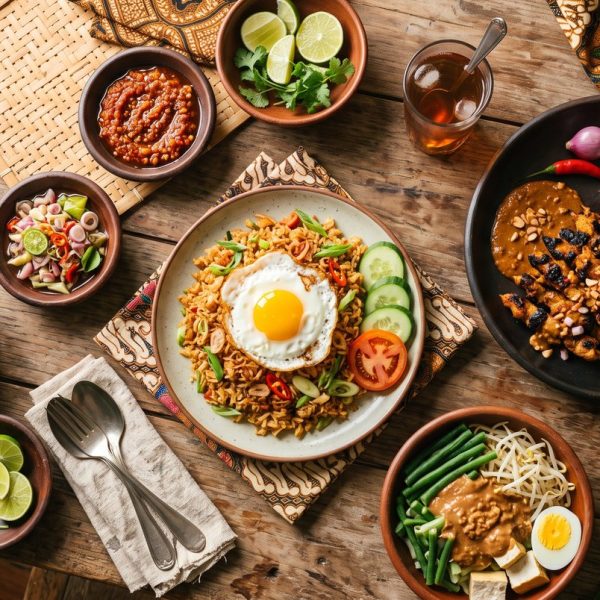
Indonesian food is bold and varied. Nasi goreng, fried rice with egg and spices, is a classic, and satay skewers come with peanut sauce. Rendang, a slow-cooked beef dish from Sumatra, is often ranked among the best in the world.
Street stalls, called warungs, offer cheap and delicious meals. Choose busy places with fresh food, and drink bottled or filtered water.
Culture and etiquette
Politeness matters. Greet people with a smile, use your right hand to give or receive items, and ask permission before photographing people. Remove shoes before entering homes and places of worship.
The official Indonesia Travel portal offers events, regional information and practical advice for visitors.
Getting around
Domestic flights connect major islands, while ferries link nearby ones. In cities, ride-hailing apps are convenient. Roads can be slow, so allow extra time and avoid packing your schedule too tightly.
When to go
The dry season, roughly from May to September, suits most visitors, especially for diving and hiking. The wet season brings lush scenery and fewer tourists but also heavy rain in some regions. Check local conditions for the specific islands you plan to visit.
Paperwork and language tips
Before leaving, check passport validity, visa rules, health recommendations and insurance. If you plan a long stay, marriage, study or business activity, offices may ask for documents in another language. Official certified translation services can help with records such as birth or marriage certificates.
Communication also improves your trip. A few phrases in Bahasa Indonesia build friendliness, and tourism businesses that support many languages attract more guests, as this piece on multi-language customer support explains.
Traveling responsibly
Tourism can support communities but also strain ecosystems. Bring a reusable bottle, avoid single-use plastics, never touch coral and choose operators who respect wildlife and fair wages. Buy crafts directly from makers when possible.
Budget and money tips
Indonesia can suit many budgets. Guesthouses and homestays are affordable, local transport is cheap and warungs offer filling meals at low prices. Carry some cash for small vendors and rural areas, use cards in larger hotels, and check exchange rates before leaving the airport.
Health and safety basics
Pack sun protection, insect repellent and a basic medical kit. Drink safe water, wash hands often and follow local advice about volcano activity and sea conditions. Travel insurance that covers medical care and activities such as diving gives extra peace of mind.
A sample two-week route
Spend four days in Bali for beaches and culture, three in Yogyakarta for temples and crafts, two in the Bromo area for volcano sunrises, and the rest in Flores or Komodo for wildlife and diving. This mix gives a taste of the country without constant rushing.
Whatever route you choose, leave space for surprises. The best memories often come from unplanned conversations and meals with local people.